
Materials and Manufacturing
Materials and manufacturing processes are fundamental to understanding the environmental impact of any product, particularly those like the Craftsman Series vape which involves complex components and production methods.
Resource Extraction
Resource extraction for raw materials is a significant contributor to environmental damage. Mining operations can lead to deforestation, habitat destruction, soil erosion, and water pollution. The manufacturing process itself consumes energy, releases greenhouse gases, and generates waste. Plastics, often used in vape devices, are derived from fossil fuels and contribute to plastic pollution.
Manufacturing Processes and Emissions
The Craftsman Series vape, like many electronic devices, relies on a variety of materials extracted through mining processes. These processes can have significant environmental repercussions, including deforestation, habitat loss, and water contamination. Additionally, the manufacturing process itself is energy-intensive, contributing to greenhouse gas emissions.
Specific manufacturing processes used in vape production can further impact the environment. For instance, if certain components are fabricated using techniques like electroplating or etching, these can release harmful chemicals into the air and water.
Furthermore, the disposal of vape devices at the end of their lifespan presents another environmental challenge. Improper disposal can lead to the leaching of toxic materials from batteries and other components into the soil and groundwater.
Packaging and Shipping
Packaging and shipping play a crucial role in the overall environmental footprint of any product, including the Craftsman Series vape. The materials used in packaging, such as cardboard, plastic, and foam, often come with their own environmental costs associated with extraction, production, and disposal. The transportation of vapes from manufacturing sites to retailers and consumers generates emissions, further contributing to greenhouse gas levels.
Material Composition of Packaging
The composition of packaging materials used for the Craftsman Series vape can significantly impact its environmental footprint. Cardboard, a common choice due to its recyclability, requires trees for production, leading to deforestation if not sourced responsibly. Plastic packaging, while offering protection during shipping, is derived from fossil fuels and contributes to plastic pollution. Foam padding, often used to protect delicate components, can be made from polystyrene, a material that takes hundreds of years to decompose in landfills.
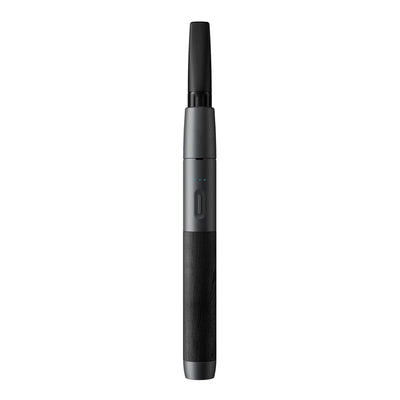
The transportation aspect adds another layer of environmental concern. Packaging choices should prioritize minimal space usage to reduce fuel consumption during shipping. Furthermore, exploring alternative shipping methods like rail or sea freight, which are generally less polluting than air transport, could mitigate the carbon footprint associated with product delivery.
Transportation Emissions
Packaging and shipping contribute significantly to the environmental impact of products like the Craftsman Series vape. The materials used in packaging, such as cardboard, plastic, and foam, have their own environmental costs associated with production and disposal. Cardboard, while recyclable, requires trees for production, and plastic is derived from fossil fuels, contributing to pollution. Foam padding can take hundreds of years to decompose.
The transportation process also adds to the carbon footprint. Packaging should be designed to minimize space usage to reduce fuel consumption during shipping. Exploring alternative shipping methods like rail or sea freight, which are less polluting than air transport, could further mitigate environmental impact.
Product Lifespan and End-of-Life
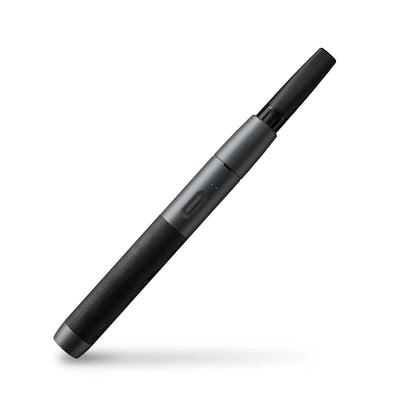
Understanding the environmental impact of products throughout their lifecycle is crucial for making informed choices. Product lifespan and end-of-life considerations encompass the entire journey from resource extraction to final disposal, highlighting the interconnectedness of production, consumption, and waste management.
Device Durability and Reusability
Product lifecycles are inherently tied to environmental impact. The longer a product lasts, the lower its per-use environmental footprint becomes. Device durability directly influences lifespan. Craftsman Series vapes should be designed with durable components to extend their useful life. Reusability is another key factor. If vape parts can be easily replaced or reconfigured for different uses, it reduces the need for frequent replacements and minimizes waste.
At the end of a device’s life, responsible disposal is crucial. Manufacturers should provide clear guidelines for safe recycling or disposal of batteries and other components.
Recycling and Disposal Options
The lifespan of a product directly impacts its environmental footprint. A longer lifespan means lower per-use environmental impact. Durability plays a significant role in extending a product’s life. The Craftsman Series vape should be designed with durable components to maximize its usable lifespan.
Reusability is another crucial factor in minimizing waste. If parts of the vape can be easily replaced or repurposed, it reduces the need for frequent replacements and ultimately lowers the environmental impact.
End-of-life management is essential to minimize environmental harm. Manufacturers should clearly guide consumers on proper recycling or disposal methods for vape batteries and other components.
Recycling options for electronic devices are becoming more prevalent, allowing valuable materials like metals and plastics to be recovered and reused. Consumers should actively seek out certified e-waste recyclers to ensure responsible disposal.
When recycling is not feasible, proper disposal methods are necessary to prevent harmful substances from leaching into the environment. Landfilling should be a last resort, as it contributes to land degradation and pollution.
Environmental Certifications and Initiatives
Environmental certifications and initiatives play a crucial role in assessing and mitigating the environmental impact of products. These programs establish standards and guidelines for sustainable practices throughout a product’s lifecycle, from sourcing raw materials to end-of-life management. By adhering to these criteria, companies can demonstrate their commitment to reducing their environmental footprint and promoting responsible consumption.
Sustainable Material Sourcing

Environmental certifications and initiatives play a vital role in evaluating and minimizing the ecological impact of products. These programs establish benchmarks and guidelines for sustainable practices throughout a product’s lifecycle, encompassing everything from sourcing raw materials to end-of-life management.
By adhering to these criteria, companies can demonstrate their dedication to reducing their environmental footprint and encouraging responsible consumption.
Examples of well-known certifications include the Forest Stewardship Council (FSC) for sustainably harvested wood, the Global Recycled Standard (GRS) for recycled content, and Fair Trade certifications that promote ethical sourcing practices. These certifications provide consumers with valuable information about the environmental and social impact of their purchasing decisions.
Furthermore, initiatives like the Ellen MacArthur Foundation’s Circular Economy model encourage businesses to design products for durability, repairability, and recyclability, minimizing waste and maximizing resource utilization.
Carbon Offsetting Programs
Carbon offsetting programs offer a mechanism to compensate for unavoidable greenhouse gas emissions. These programs invest in projects that reduce or sequester carbon dioxide from the atmosphere, such as reforestation, renewable energy development, or methane capture technologies. By purchasing carbon offsets, companies and individuals can neutralize their carbon footprint associated with activities like manufacturing, transportation, or energy consumption.
Choosing a reputable carbon offsetting program is crucial. Look for projects that are independently verified to ensure their environmental integrity and impact. Transparency in reporting and the selection of high-quality projects are essential considerations.
Order Authentic Vessel Craftsman Vapes

- Xela Rederm Skin Booster Treatments Near Rowledge, Surrey - January 19, 2026
- Xela Rederm Skin Booster Treatments Near Copthorne, Surrey - January 17, 2026
- Why Vista Edge Vape Is A Must-Have For Flavor Chasers - January 16, 2026